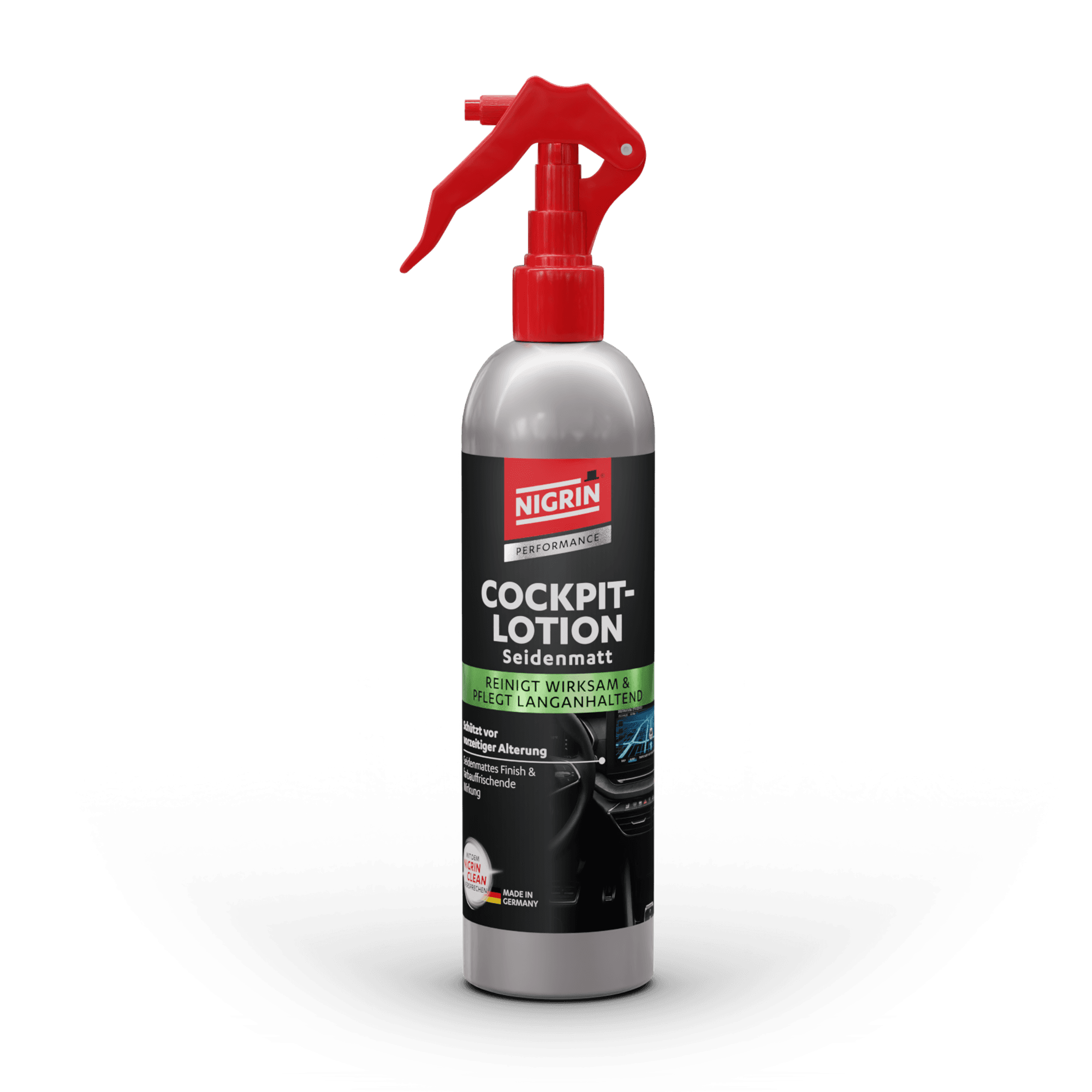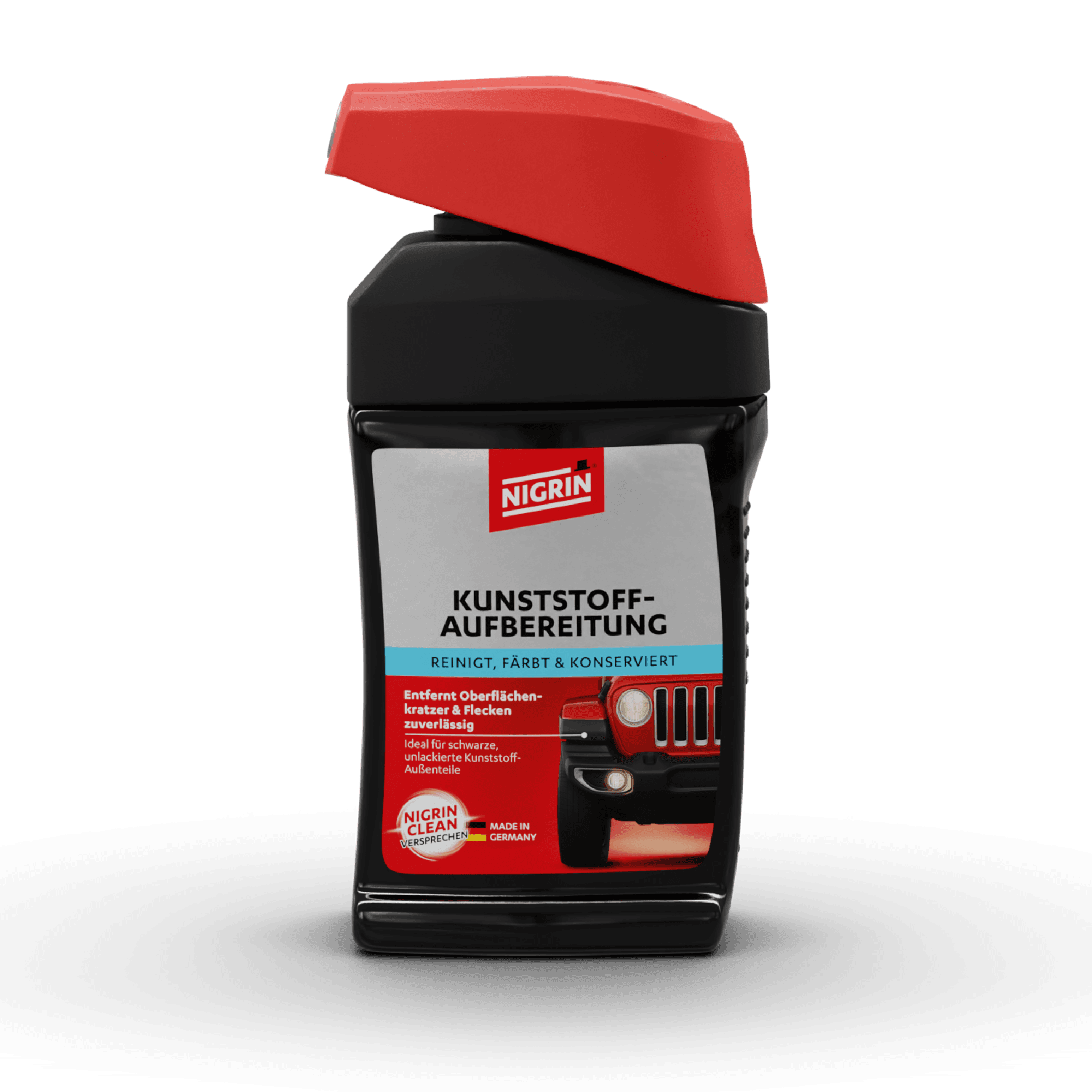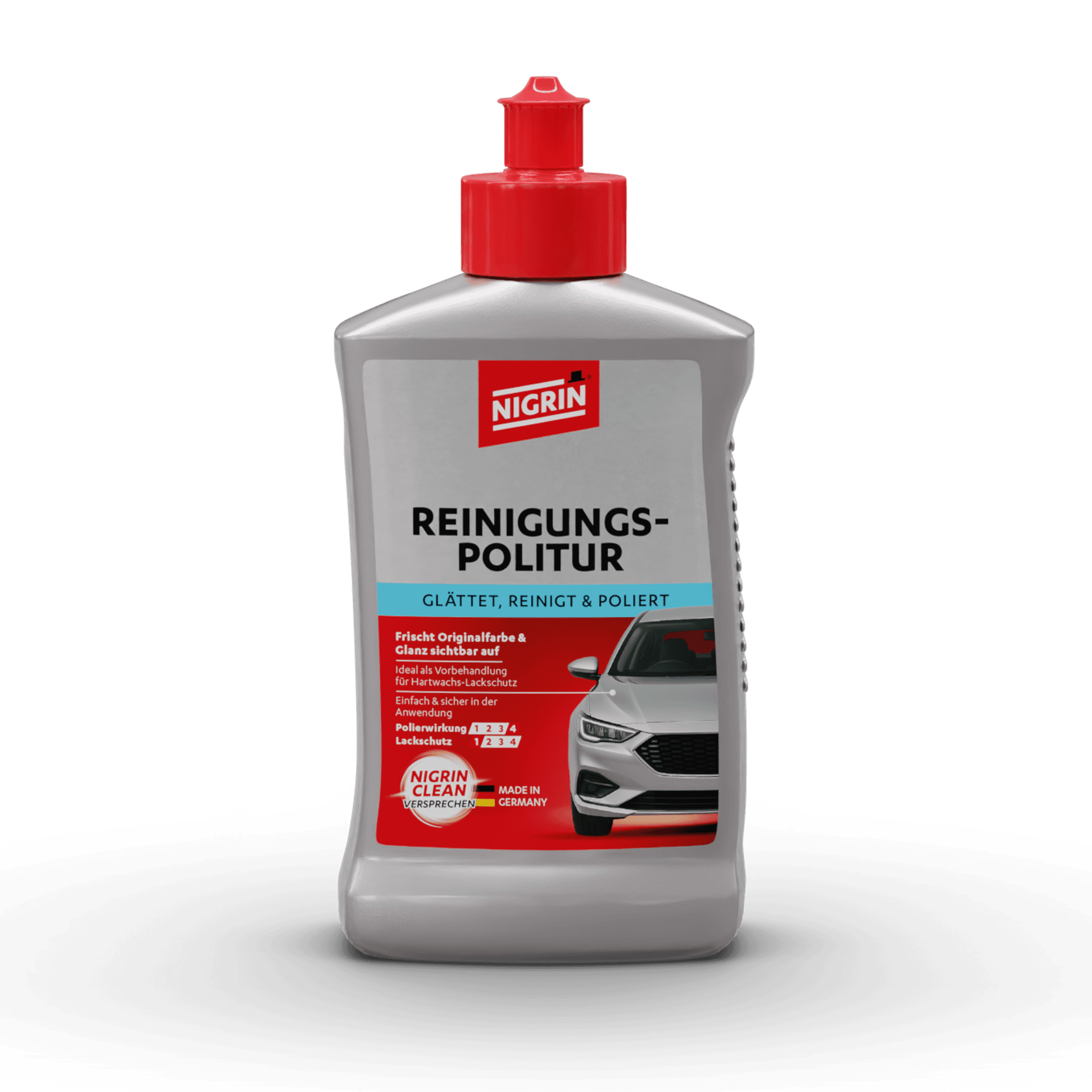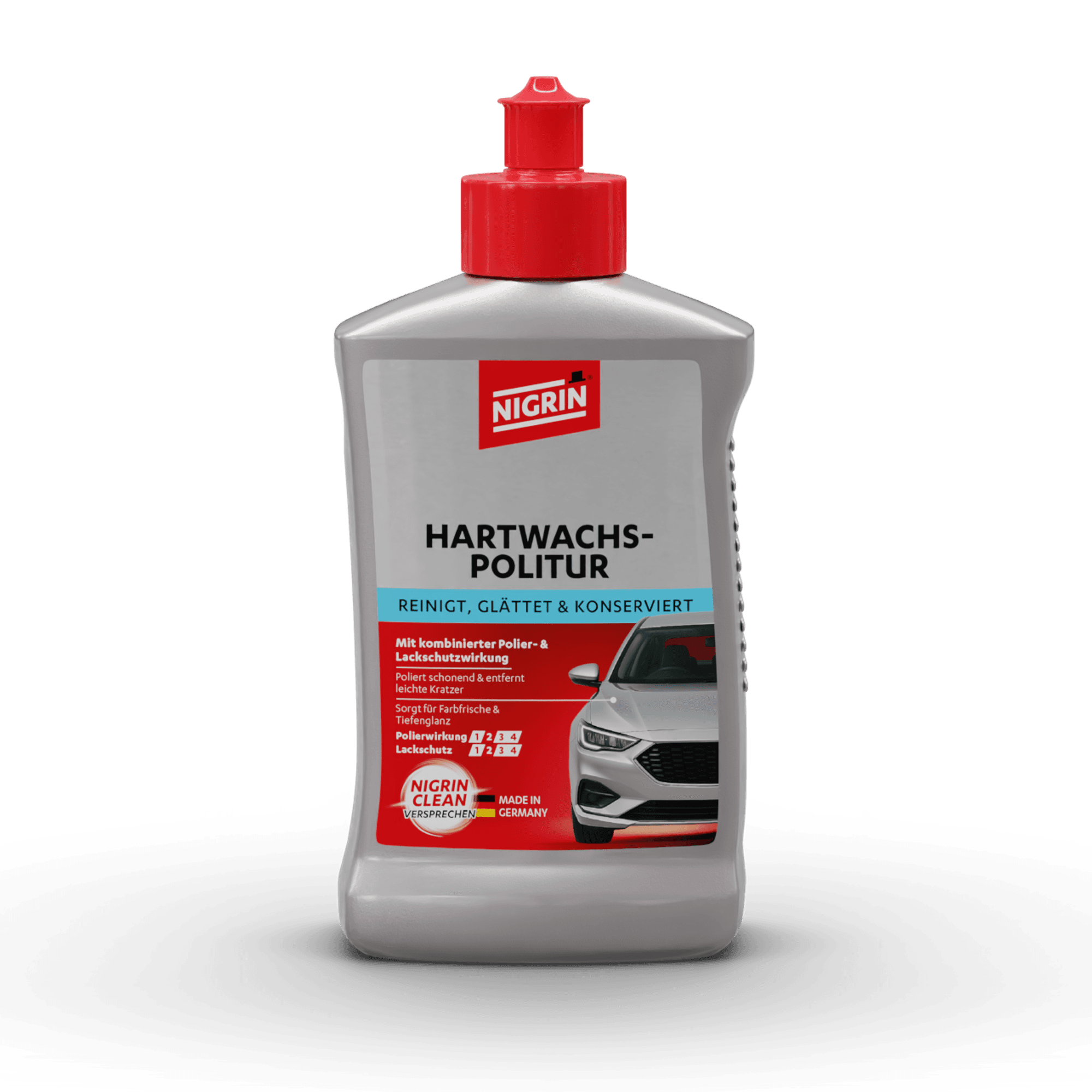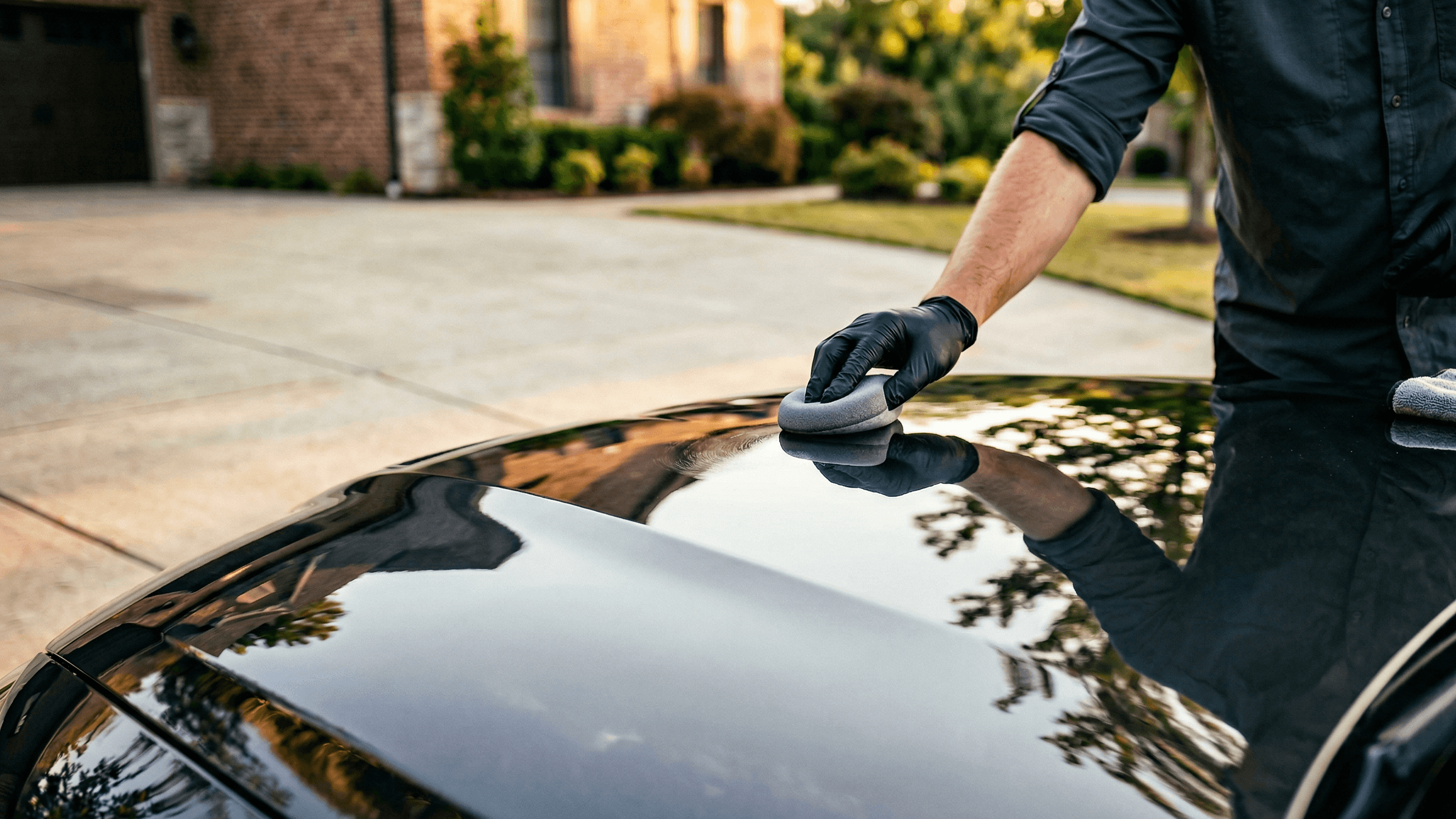
Which type of protection is right for which driver — and what sets them apart
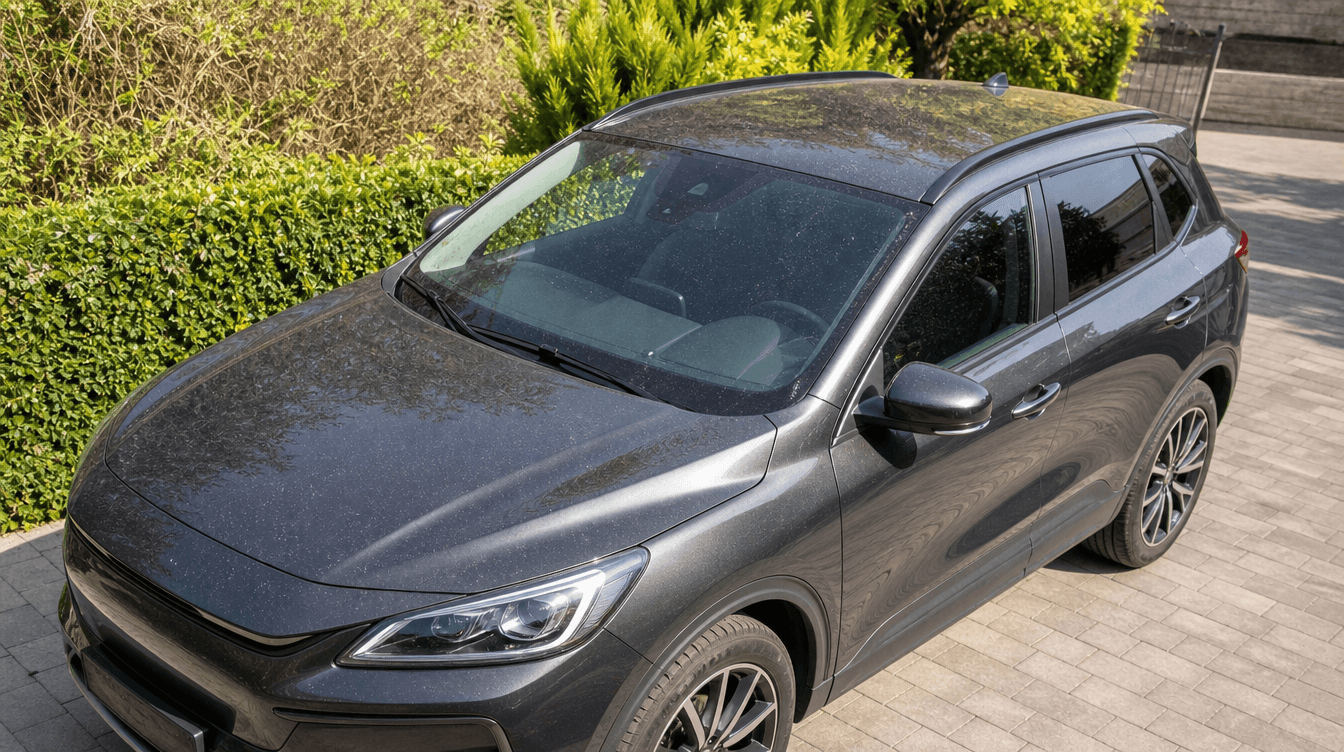
Paint protection is no longer just about good looks. If you want to preserve your vehicle long-term, protect its resale value, and see real results, professional car care is non-negotiable. Your car's paint takes a beating every day: UV rays, road salt, insect residue, tree sap, fine dust, industrial fallout, and mechanical stress from car washes or micro-scratches all attack the surface around the clock. Without targeted paint protection, the finish loses depth, color brilliance, and resilience.
Whether you choose classic wax, a synthetic sealant, or a high-tech ceramic coating — they all share the same goal: creating a protective barrier between the paint and the environment. The difference comes down to performance, durability, protective power, and effort.
A well-thought-out paint protection strategy makes car care easier, more effective, and more rewarding. It's not just about cleanliness — it's about visible results, quality, and the peace of mind that comes from knowing the paint is protected. Modern paint protection means: less effort when cleaning, deeper gloss, and lasting resale value.
Paint protection with wax — the classic with character
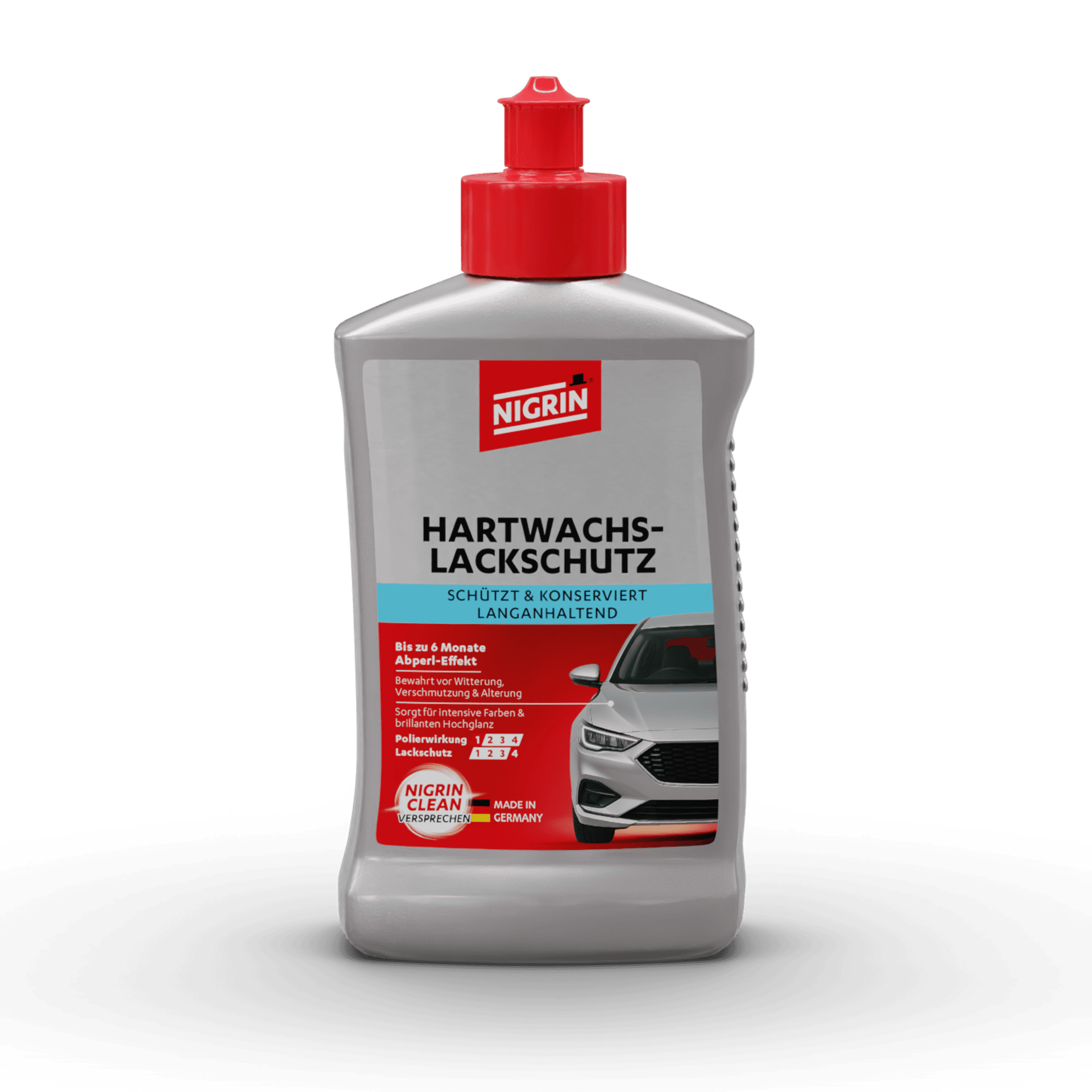
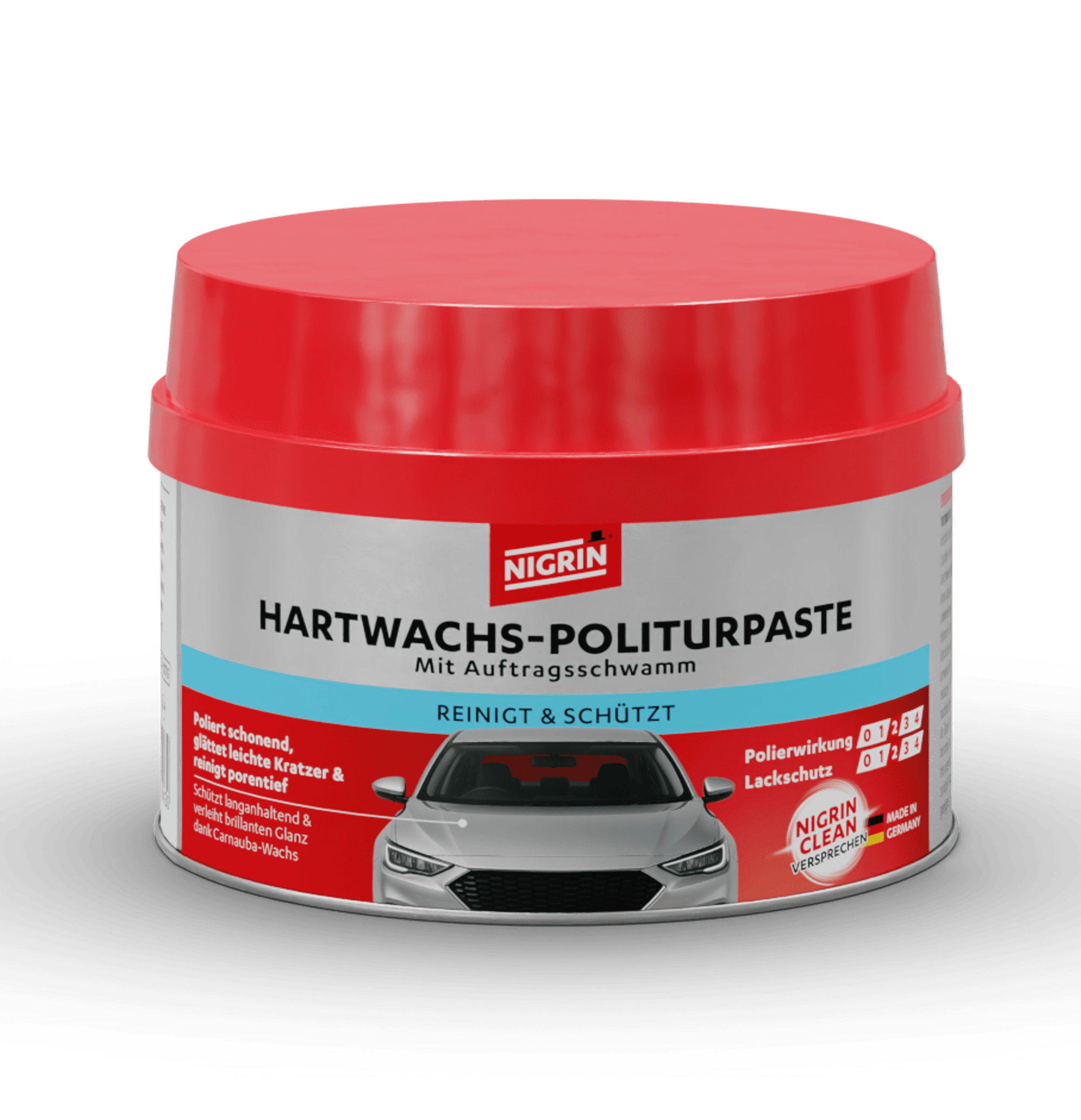
Wax is the most traditional form of paint protection. Carnauba or synthetic waxes lay down a protective film on the paint and deliver a warm, deep gloss. The effect is especially striking on dark paint colors. Wax-based paint protection wins people over with its simple application and the immediately visible improvement in surface appearance.
Typical characteristics of wax as paint protection:
- Intense color depth and high gloss
- Noticeably smooth surface
- Good water repellency (beading effect)
- Durability usually 4 to 12 weeks
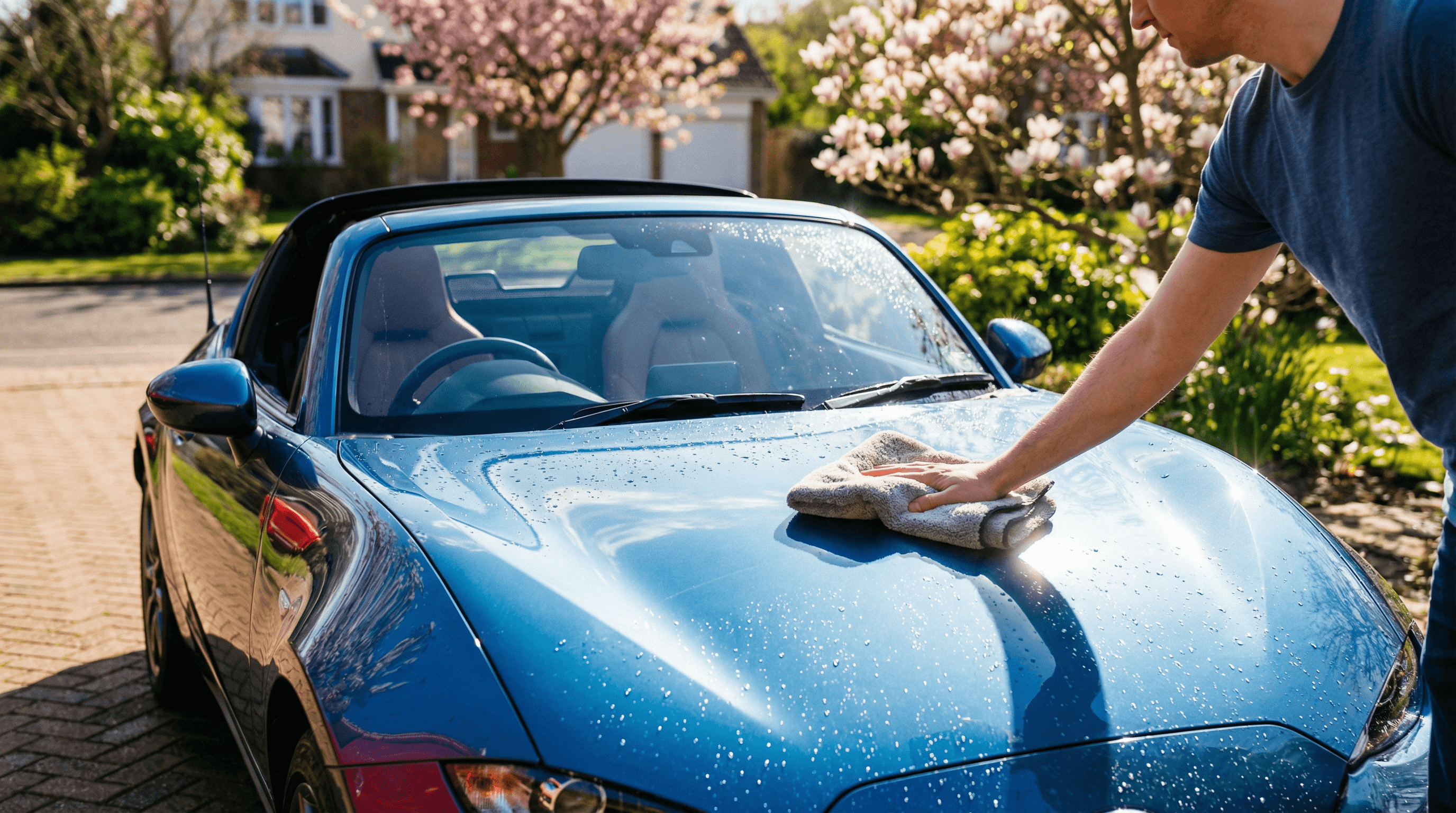
In the paint protection category, wax is ideal for drivers who care for their vehicle regularly and enjoy classic hands-on work. Application is straightforward: after a thorough wash, apply the wax in a thin layer, let it haze, then buff it off. The protection forms instantly and the results are visible right away.
That said, wax doesn't last as long as modern alternatives. UV rays, harsh cleaners, and frequent washes wear down its protective power. If you drive daily or use your car year-round, you'll need to reapply often.
Still, wax has one clear advantage as paint protection: it combines aesthetics with emotion. The gloss looks soft, deep, and high-end. For weekend cars, seasonal vehicles, or drivers who want maximum brilliance, wax is a compelling choice.
Synthetic sealant — modern paint protection that lasts longer
Compared to wax, a sealant is built on synthetic polymers. These bond more strongly with the paint surface and deliver significantly longer-lasting protection. The protective layer holds up better against chemicals, environmental influences, and mechanical stress.
The key difference in paint protection lies in the molecular structure: while wax mostly sits on top of the paint, a sealant partially cross-links with it. That means more durability and less maintenance.
Advantages of a sealant as paint protection:
- Durability of several months
- High resistance to road salt and UV rays
- Strong dirt repellency
- Noticeably easier car washes
For everyday drivers, this type of paint protection is a smart choice. If you drive your car daily, use automatic car washes regularly, or don't have much time for intensive care, you'll benefit from the robust protective layer.
Visually, a sealant delivers a very clear, mirror-like gloss. Compared side by side, it looks a bit "cooler" than wax — but very precise and brilliant. The surface stays smooth longer, water beads more effectively, and dirt has a harder time sticking.
In the paint protection category, a sealant is a balanced compromise between effort, price, and performance. It's the right choice for drivers who want measurable results — in cleaning power, ease of use, and protection time.
Ceramic coating — high-performance paint protection on a new level
Ceramic coatings are considered the premium option in paint protection. These are advanced SiO₂-based formulations that build an extremely resilient protective layer on the paint. This type of paint protection stands out for its maximum durability and exceptional performance.
Unlike wax or sealant, ceramic paint protection forms a stronger chemical bond with the surface. The resulting protective layer is harder, more resistant, and significantly longer-lasting.
Typical characteristics of ceramic paint protection:
- Durability of up to several years (depending on the product)
- Extreme water-beading effect
- High scratch resistance against micro-scratches
- Very strong UV and chemical resistance
Ceramic paint protection is especially worthwhile for high-mileage drivers, leased vehicles, or high-end new cars. If you're thinking long-term and aiming to maximize resale value, this is an investment in sustained performance.
That said, ceramic paint protection requires very careful prep work. The paint has to be free of defects, polish residue, and contaminants. Only then can the coating bond properly. The application effort is higher — but the result is impressive: intense smoothness, extreme water repellency, and lasting paint protection.
In paint protection, ceramic sets a new benchmark. It stands for innovation, uncompromising quality, and visible results — especially for drivers who don't want to settle.
Which type of paint protection fits which driver?
The right paint protection depends heavily on your driving habits, how much care you want to put in, and your standards for aesthetics.
Occasional drivers & enthusiasts
If you drive your car only occasionally, care for it regularly by hand, and value a warm, deep gloss, wax is the ideal paint protection for you. The emotional payoff is what counts here.
Everyday drivers & commuters
For vehicles in daily use, a synthetic sealant is the recommended paint protection. It offers solid protection time, cuts down on cleaning effort, and delivers consistent performance.
High-mileage drivers & premium expectations
If you want maximum durability, top-tier resistance, and long-term resale value, go with ceramic paint protection. This option offers the highest protective power with the lowest maintenance needs.
When choosing the right paint protection, ask yourself:
- How often is the vehicle used?
- How much time do you have for car care?
- Do you prioritize maximum gloss or maximum durability?
- Should the paint protection be applied yourself or by a professional?
High-quality paint protection doesn't just create a barrier — it creates confidence. It makes car care predictable, efficient, and visibly effective.
Applying paint protection correctly — prep, application, and care
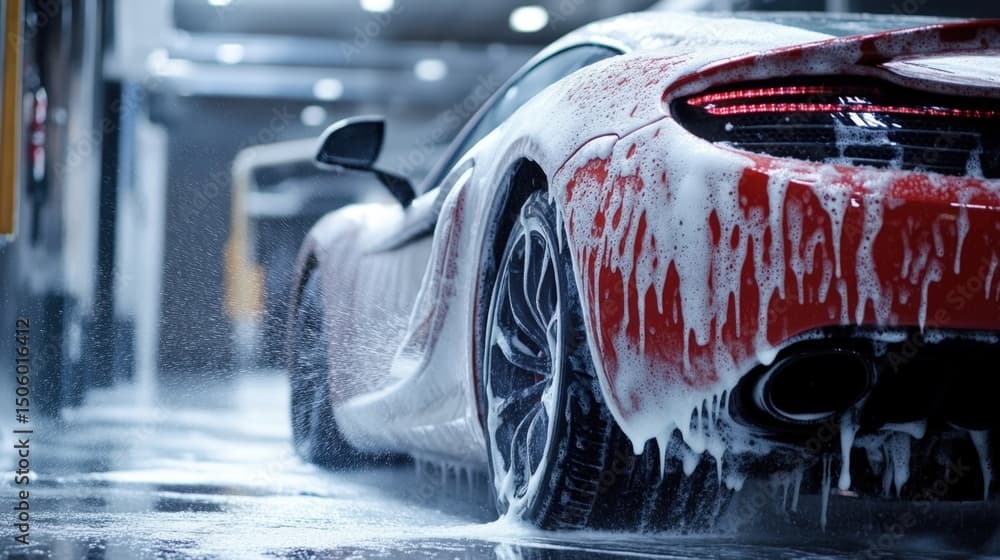
Whether you pick wax, sealant, or ceramic: paint protection is only as good as the prep work behind it. A thorough wash is a must. Ideally, follow up with a clay bar treatment and — if needed — a polish to remove scratches and oxidation.
Only on a clean, smooth surface can paint protection deliver its full performance. Always apply it thinly and evenly. Layers that are too thick reduce the protection's effectiveness and make buffing harder.
After application, mind the cure times. Ceramic paint protection in particular needs defined resting periods to reach its final resistance level.
For long-term paint protection results, we recommend:
- Using pH-neutral car shampoos
- Avoiding aggressive cleaners
- Using high-quality microfiber towels
- Sticking to regular care intervals
Consistently applied paint protection doesn't just cut down on cleaning effort — it visibly raises the quality of your vehicle. Gloss, protection, and performance go hand in hand.